


Electric car batteries power every EV, affecting range, performance, and running costs. Understanding how they work, how long they last, and how to charge them can help you get the most from your electric car in Northern Ireland.
What are electric car batteries made of?
Electric cars are powered by large rechargeable battery packs, made up of hundreds (or even thousands) of smaller cells. These batteries store electricity and supply it to the motor to power the vehicle.
Most electric cars today use lithium-ion batteries, which are lightweight, efficient, and capable of delivering the range drivers need. The three most common types of lithium-ion batteries (chemistries) are NMC, LFP and NCA:

Nickel Manganese Cobalt (NMC)
One of the most widely used types, offering a strong balance of range and performance. Found in popular models like the Nissan Leaf, Volkswagen ID.3, and Hyundai Kona Electric.

Lithium Iron Phosphate (LFP)
Known for longer lifespan and improved safety, often used in standard / more affordable EVs. For example, entry-level versions of the Tesla Model 3 and MG4 use LFP batteries.

Nickel Cobalt Aluminum (NCA)
Provides very high energy density and is typically used in longer-range electric vehicles. This type is used in many Tesla long-range and performance models.
While lithium-ion is the most common EV battery, newer technology called solid-state batteries is currently being developed. These could offer faster charging, longer range, and improved safety - but they are not yet widely available.
How do electric car batteries work?
Electric car batteries store electricity and use it to power a motor instead of a petrol or diesel engine. When you press the accelerator, electricity flows from the battery to the motor, which turns the wheels. Because there’s no combustion, electric cars feel smoother and more responsive.
Learn exactly how all components work together to power an electric car, in our guide to how electric cars work.
To recharge an electric car battery, you plug the car into an EV charger. Home charging (AC) is slower and ideal for overnight charging with an EV tariff, whereas Rapid charging (DC) is much faster and used at public charging stations.
The electricity is stored in the battery and used the next time you drive.

Thinking about charging at home?
Installing a home EV charger is the easiest and often cheapest way to keep your car charged and ready to go.
Explore EV Home Chargers
What is electric car battery capacity?
Electric car battery capacity tells you how much energy an electric car battery can store. It’s measured in kilowatt-hours (kWh).
A larger EV battery (higher kWh) gives you more driving range, whereas a smaller EV battery is usually cheaper and suits shorter journeys. To put this into context, we’ve estimated typical range (mileage) you could expect from different EV batteries and models:
| Common EV Models | Battery Capacity | Est. Annual Range |
|---|---|---|
Nissan Leaf (40 kWh) Mini Electric Mazda MX-30 | 30–40 kWh | Up to 8,000 miles |
Peugeot e-208 Vauxhall Corsa Electric MG4 (Standard Range) | 50–60 kWh | 8,000–12,000 miles |
Hyundai Kona Electric (64 kWh) Kia Niro EV Volkswagen ID.3 Pro | 70–80 kWh | 10,000–15,000 miles |
Tesla Model S BMW iX Mercedes-Benz EQE | 90–100+ kWh | 12,000–20,000+ miles |
-
How to choose the right EV battery capacity
Choosing the right EV battery size comes down to how you drive and charge your car day to day:- Short daily trips (under 30 miles)
- Regular commuting or mixed driving
- Frequent long journeys
- Home charging vs public charging
- Budget and future needs
For most drivers, a battery around 50–70 kWh is the sweet spot for everyday use.
How long do electric car batteries last?
Electric car batteries are designed to last for many years and typically outlive most drivers’ ownership of the vehicle. Most manufacturers offer warranties of 8 years or 100,000 miles, guaranteeing a minimum level of battery performance (usually around 70%).
In reality, many EV batteries last even longer. With proper care, electric car batteries could have a lifespan of up to 10–20 years!
Over time, batteries naturally degrade, meaning they hold slightly less charge - but this happens gradually and doesn’t usually affect day-to-day driving noticeably.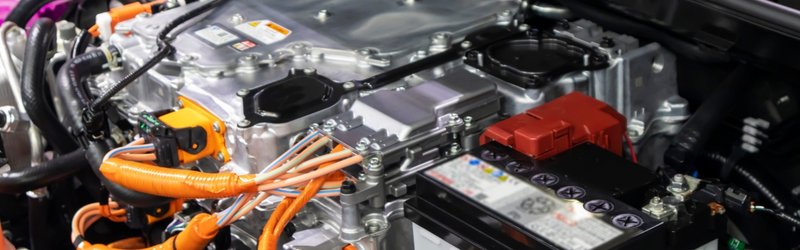
Even when a battery is no longer suitable for use in a car, it can be repurposed as a home energy storage system, to store cheaper off-peak electricity or energy generated from solar panels.

Want to power your electric car with renewable energy?
Pairing your EV with solar panels (and even battery storage) can help you reduce your energy bills and make the most of clean, home-generated electricity.
Explore Solar Panels
How much does it cost to replace an electric battery?
Replacing an electric car battery can be expensive, typically costing anything from £4,000 to £15,000+ in the UK and Northern Ireland, depending on the car model and battery size. However, prices are gradually decreasing as technology improves.
The good news is that most EV batteries last long enough that replacement isn’t something most owners will ever face. Plus, warranties often cover battery issues within the first several years.
Can EV batteries be repaired?
Electric car batteries can often be repaired, depending on the issue.
Most EV batteries are made up of individual modules and cells. If a fault develops in one area, technicians can sometimes replace or repair just that section rather than the entire battery pack. This makes repairs more affordable than full replacement.
However, repair isn’t always possible. If there is widespread degradation, internal damage, or safety concerns, a full battery replacement may still be required.
How to preserve an electric car battery
Looking after your EV battery can help maintain its state of health, improve efficiency, and extend its lifespan over time. Here are some simple ways to keep your battery in good condition:
Keep your charge between 20% and 80%
Regularly charging to 100% or letting your battery run very low can increase wear over time. For everyday driving, keeping your charge between 20% and 80% helps protect long-term battery health and maintain a more stable state of charge.
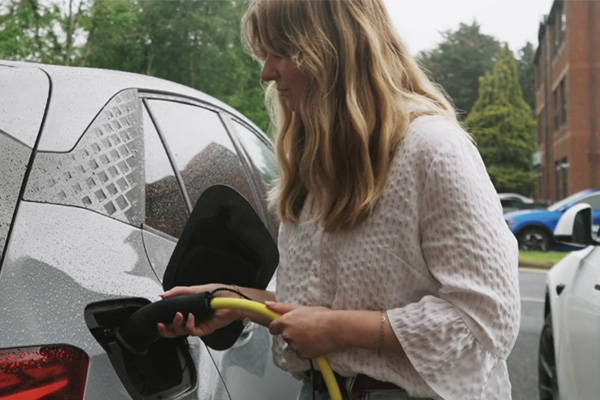
Monitor your battery’s health
Most EVs provide information about battery condition, often referred to as state of health (SoH). Checking this occasionally, or during a service, can help you understand how your battery is performing and spot any changes over time.
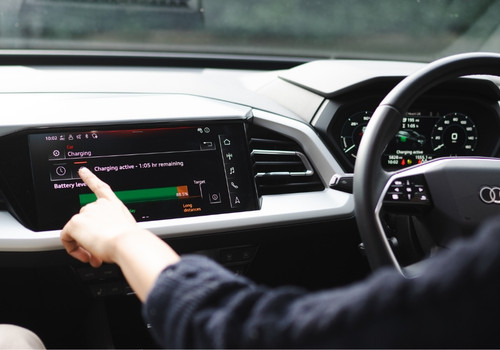
Avoid extreme temperatures
Very hot or cold weather can affect battery performance, charging speed, and efficiency. Parking in a garage or shaded area, and preconditioning your car while it’s plugged in, can help reduce unnecessary strain on the battery.

Use home charging where possible
Charging at home allows for slower, more consistent charging that’s gentler on your battery. It also reduces the need for frequent rapid charging at public charging station, which can put additional strain on the battery over time.
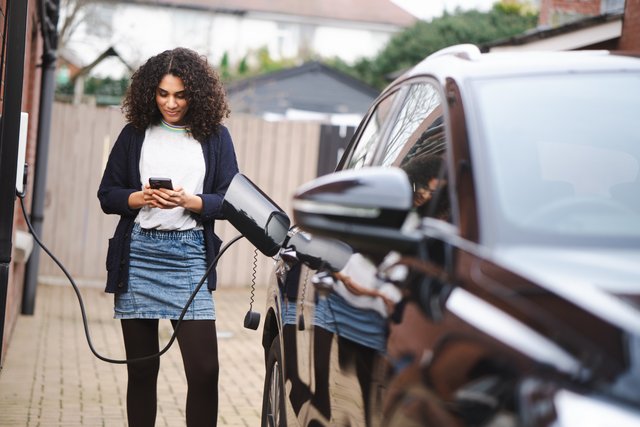

Looking to reduce the cost of charging your electric car?
Switching to a dedicated EV tariff can give you access to cheaper electricity overnight, perfect for home charging.
Explore EV Tariffs-
Can electric car batteries be recycled?
Yes, electric car batteries can be recycled. Valuable materials like lithium, cobalt, and nickel can be recovered and reused in new batteries or other products. In Northern Ireland, batteries are usually collected and sent to specialist recycling facilities elsewhere in the UK and Ireland. -
What is the environmental impact of EV batteries?
EV batteries do have an environmental impact during production, particularly due to mining and manufacturing. However, electric cars typically produce lower lifetime emissions than petrol or diesel vehicles, especially when charged using renewable electricity available across Northern Ireland and the wider UK. -
What is a battery lease for electric cars?
An electric car battery lease works in a similar way to other vehicle lease schemes. In this case, instead of leasing the vehicle you lease the battery. Renting the battery means the leasing company is responsible for any repairs or replacements needed. -
How much does an electric car battery weigh?
An electric car battery’s weight will usually depend on the battery capacity. A greater capacity will need more battery cells, which will add more weight. The average electric car battery weighs around 450 kg — the same as an entire petrol-powered Fiat 500.