

Buying an electric car is on more drivers’ minds than ever across Northern Ireland. The car market already looks very different from what it did a decade ago, so it's natural to ask, is now the right time to switch to EV, and if so, what should you consider before buying an electric car?
Is it worth buying an electric car?
In Northern Ireland, buying an electric car can be worthwhile, but it’s more dependent on your home setup than in other parts of the UK.
If you can charge an electric car at home using cheaper night rates (for example, from our Power NI EV Tariff), you could run an EV for as little as 4p per mile and save up to £1,400 per year compared to petrol. However, public charging is relatively expensive and the public EV charging infrastructure is still quite new in Northern Ireland, so it’s not yet the most convenient option compared to other parts of the UK.
In short: it’s worth buying an electric car in Northern Ireland if you can charge cheaply at home — less so if you can’t.
Here’s a quick comparison to help you decide if buying an EV is worth it for you:
| Worth it | Not worth it |
|---|---|
| You have a driveway or home charging access. | You rely entirely on public EV chargers. |
| You can use a cheaper off-peak EV tariff. | You’ll mostly charge at peak electricity rates. |
| You drive regularly (commuting, daily use). | You drive very little (low savings potential). |
| You plan to keep the car 3–5+ years. | You want the cheapest upfront option. |
You’re happy to plan charging on longer journeys. | You need complete flexibility without planning trips. |

Switch to a Power NI EV Tariff
If you’re considering switching to an EV, you should also switch to a dedicated EV Tariff that offers cheap overnight charging. Even if you’re not a Power NI customer yet, the switch is easy.
Explore Power NI EV Tariffs
Benefits of electric cars
Buying an electric car comes with a range of benefits, from lower running costs to a smoother driving experience. Here are some of the key advantages to consider:

Better for the environment
Electric cars produce zero tailpipe emissions, making them more environmentally friendly than petrol or diesel vehicles in everyday use.

Strong resale value
With growing demand for used EVs, second-hand electric cars are in demand value well compared to many traditional petrol and diesel models.

Lower maintenance costs
Electric cars have fewer moving parts, meaning less wear and tear, fewer repairs, and generally lower maintenance costs over time.

Lower running costs
Electric cars are cheaper to run than petrol or diesel, especially when charging at home using off-peak electricity tariffs.

Government incentives
You may be eligible for government grants that can help reduce the overall cost of buying an electric car and EV home charger.

High safety standards
Electric cars must meet the same strict safety standards as conventional vehicles, with many models achieving top safety ratings.
Home charging vs public charging
One of the biggest factors in deciding whether buying an electric car is worth it is how you plan to charge it - in public, at home, or a combination of both.
Charging an electric car in public

Public EV charging is similar to using a filling station to fuel up a petrol or diesel car, but it takes longer and may require planning ahead depending on charger availability and location. If you want to learn how to charge an EV at a public charging station, check out our EV Charging for Beginners guide.
Here are a few high level things to keep in mind with public charging.
-
How long does it take to charge an EV in public?
Fast chargers can charge most electric cars to around 80% in 20 to 40 minutes, while slower chargers can take several hours. -
How much does it cost to charge an EV in public?
Public charging costs vary depending on both the network and the charger speed. Rapid and ultra-rapid chargers are usually the most expensive and can cost more than filling up with petrol or diesel. In Northern Ireland, we have several different public charging networks (like ESB, BP Pulse, EasyGo) each with different pricing structures. -
What do you need to charge an EV in public?
In Northern Ireland, most public chargers are operated by the ESB network, so you’ll typically need access via their app, an RFID card, or contactless payment depending on the charger. Some rapid chargers have cables built in, but for slower chargers you may need to bring your own cable. Setting up an account in advance can make charging quicker and easier when you’re on the go.
Charging an electric car at home

Charging your EV home is simple and can fit easily into your routine. Most drivers plug in overnight and wake up to a full battery, similar to how you charge your phone overnight. This means you rarely need to think about charging during the day. We have a full guide on EV home charging, to help you get familiar with the process.
Here are those high level questions again, only this time, for home charging.
-
How long does it take to charge an EV at home?
Using a standard 7kW home charger, most electric cars take between 4 and 8 hours to fully charge, which is why it’s usually done overnight. -
How much does it cost to charge an EV at home?
With the Power NI EV Tariff, charging an electric car overnight typically costs around 4–6p per mile, based on current rates. This means a full charge could cost around £9–£12 depending on battery size, making it significantly cheaper than petrol for most drivers. -
What do you need to charge an EV at home?
You’ll need a driveway or dedicated parking space, a home charger installed, and access to an electricity tariff that offers cheaper off-peak rates.

Install a home charger with Power NI
If you’re buying an electric car, a Home EV Charger should also be on your shopping list. We can install these dedicated units in your driveway or garage, and you may be eligible for a home charger grant.
Explore EV Chargers
EV range considerations
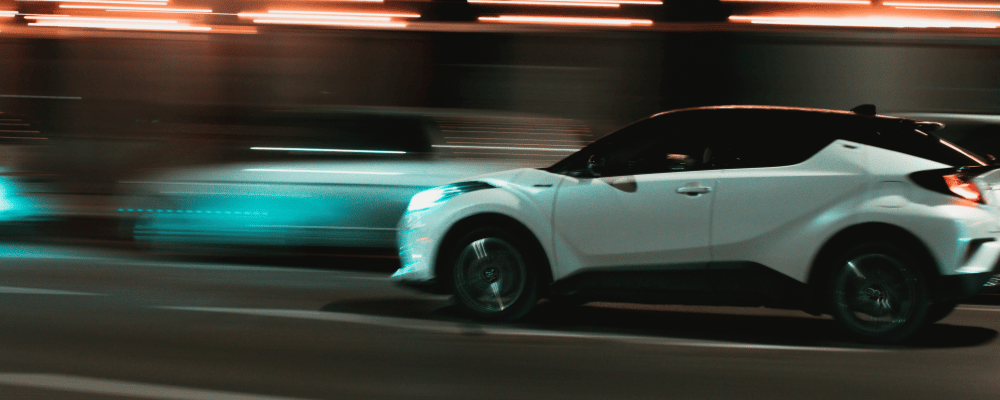
Electric car range has improved significantly, and for most drivers, it’s no longer a major concern. While range varies by model and conditions, most modern EVs can comfortably handle everyday driving without needing frequent charging.
-
How much range do electric cars have?
Most electric cars have a real-world range of around 220 miles on a full charge, although some newer models can exceed 300 miles.
In practical terms, that’s more than enough for everyday driving around NI!
For example, you could drive from Belfast to Derry and back on a single charge, or cover several days of commuting without needing to plug in. For many drivers, this means only charging a few times per week rather than every day. -
What affects EV range?
Electric car range can vary depending on factors like driving speed, weather conditions, and driving style. Higher motorway speeds and colder temperatures can reduce range, while smoother driving and milder conditions can help maximise it.
Read our guide on EV Range Anxiety for more assurance on how far EVs can drive.
Costs of buying an electric car
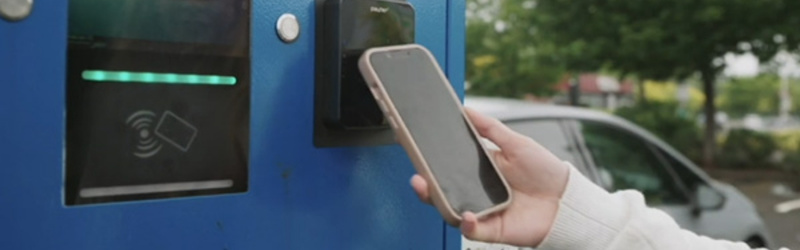 Buying an electric car can involve a higher upfront cost, but there is support available in Northern Ireland, and lower running costs can make a big difference over time. We have an entire guide that breaks down EV Costs, but here’s some key information.
-
EV Grants in Northern Ireland
Electric cars are typically more expensive to buy upfront, but UK-wide grants available in Northern Ireland can help reduce the cost.
You can get up to £3,750 off a new electric car through the Electric Car Grant (ECG), depending on the model and eligibility, with the discount applied automatically at purchase.
There is also support for charging setup, including grants of up to £350–£500 towards installing a home charger for renters, flat owners, and some households.
While there are no NI-specific car purchase grants right now, these UK schemes still reduce the overall cost of switching to electric. -
Other Important EV Costs to Consider
Maintenance and servicing are generally lower than petrol or diesel cars because electric vehicles have fewer moving parts, no oil changes, and less wear on components like brakes.
Insurance can sometimes be higher for electric cars, mainly because they tend to have a higher upfront value and specialised components like batteries can be more expensive to repair. However, this is becoming more competitive as EVs become more common.
Vehicle tax (VED) for electric cars is changing. From April 2025, EVs will start paying standard road tax rates, bringing them more in line with petrol and diesel vehicles. There have also been proposals to introduce a pay-per-mile road tax for electric vehicles of 3p per mile from 2028.
Ways to buy an electric car
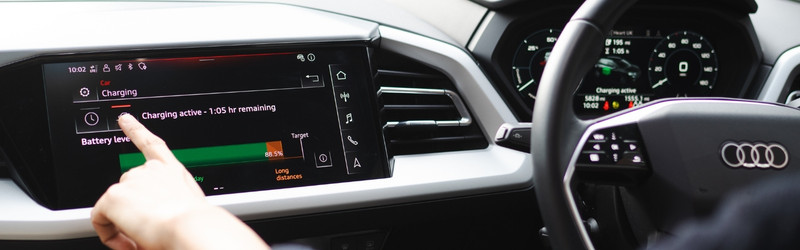
There are several ways to buy an electric car in Northern Ireland, depending on your budget, whether you want to own the car, and if you can access employer schemes like salary sacrifice. The right option can make a big difference to your monthly costs.
-
Buying an electric car outright
Buying outright means you pay the full cost upfront and own the car immediately. There are no monthly payments, making it the simplest option if you have the budget available.- Full ownership from day one
- No interest or monthly payments
- Best long-term value if you keep the car
-
PCP (Personal Contract Purchase)
PCP is a finance option where you pay monthly for the car’s depreciation rather than its full value. At the end of the agreement, you can choose to buy the car, return it, or upgrade.- Lower monthly payments than traditional finance
- Flexible end-of-contract options
- Final “balloon” payment required to own
-
PCH (Personal Contract Hire)
PCH is a leasing option where you pay a fixed monthly cost to use the car for an agreed period. You don’t own the car and simply return it at the end of the contract.- Fixed monthly payments
- No ownership at the end
- Often includes maintenance options
-
Buying an electric car through a company
Some employers offer company car schemes, which can make electric cars more affordable due to tax advantages. Electric vehicles benefit from lower Benefit-in-Kind (BIK) rates compared to petrol or diesel cars.- Lower tax rates on EV company cars
- Often includes insurance and maintenance
- Can reduce overall cost significantly
-
Buying an electric car through salary sacrifice
Salary sacrifice allows you to lease a car through your employer, with payments taken from your salary before tax. This can reduce the overall cost and often includes extras like insurance and servicing.- Payments taken before tax (cost savings)
- Often includes insurance and maintenance
- No large upfront cost required
Tips for buying an electric car for the first time
Now that you know what to consider before buying an electric car, here’s a checklist that can help you choose the right car and avoid common mistakes.
1. Don’t Overestimate Range
Just as you would work out how many miles you drive annually when looking at petrol / diesel cars, you need to work out what range you need when buying an EV.
- Most EVs easily cover daily journeys
- Charging a few times per week is often enough
- Longer range is mainly useful for regular long trips
2. Check Battery Range and Warranty
Make sure the car’s range suits your needs and check how long the battery is covered for. This is especially important when buying a used electric car.
- Check real-world range, not just official figures
- Look for at least 8 years battery warranty
- Ask about battery condition if buying used
3. Check Charging Speed (kW)
Charging speed affects how quickly your car can recharge, especially when using public rapid chargers. This can make a big difference on longer journeys.
- Look at the car’s maximum charging speed (kW)
- Higher kW means faster charging times
- Important if you plan to use public chargers
Power Your EV with Power NI
When you’re ready to buy, we’re here to make charging your new electric car easier and cheaper. Find out how installing a home charger and using a Power NI EV tariff can reduce your running costs.
Discover EV Charging Options