


Wind energy works by using the natural power of the wind to generate electricity. With Northern Ireland being one of the windier areas of the UK, it’s no surprise that wind energy is one of our most widely used renewable energy sources! Let’s look at how wind energy works exactly.
What is wind energy?
Wind energy is the energy created by the natural movement of air in the atmosphere. When air moves, it carries kinetic energy, which is the energy produced by motion.
This movement is caused by the sun heating the Earth unevenly. As warm air rises and cooler air moves in to replace it, air begins to flow across the planet — creating the wind we experience every day.
Wind turbines capture the kinetic energy in the wind and convert it into electrical power. Because the wind is constantly replenished by natural processes, wind energy is considered a renewable source of electricity
How do wind turbines work?
Wind turbines convert the kinetic energy in the wind into electricity. When the wind blows, it pushes against the turbine blades, causing them to rotate. This spinning motion turns a shaft inside the turbine, which drives a generator that produces electricity.
The electricity generated by the turbine is then carried through cables and fed into the electricity network, where it can power homes and businesses.
In simple terms, wind turbines generate electricity in three main steps:
1. Wind turns the blades - The wind pushes against the turbine blades, causing them to spin.
2. The rotor turns a shaft – The rotating blades drive a shaft inside the turbine.
3. A generator produces electricity – The spinning shaft powers a generator, converting mechanical energy into electrical energy.
The diagram below shows the main components of a wind turbine and how they work together.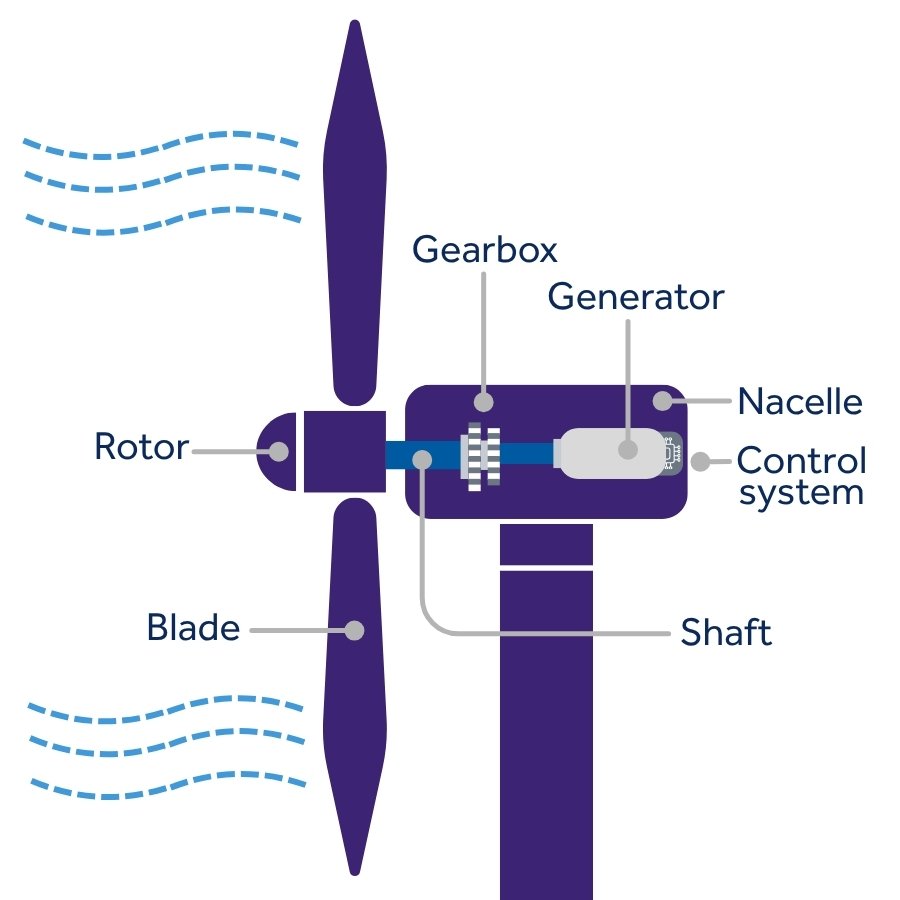
-
Blades and rotor
The blades are designed to capture energy from the wind. As the wind flows over them, it creates lift (similar to an aircraft wing), causing the blades to spin. The blades and central hub together form the rotor, which converts the wind’s kinetic energy into rotational movement. -
Nacelle
The nacelle is the housing that sits on top of the turbine tower behind the blades. It contains the main mechanical and electrical components of the turbine, including the gearbox, generator and control systems. The nacelle can also rotate to face the turbine towards the wind. -
Gearbox
The gearbox increases the rotational speed of the shaft connected to the rotor. Wind turbines spin relatively slowly, so the gearbox boosts the speed so that it is high enough to drive the generator efficiently. -
Generator
The generator converts the mechanical energy from the spinning shaft into electrical energy. This works through electromagnetic induction, where the movement of the shaft causes magnets and coils to generate an electric current. -
Grid transmission
Once electricity is generated, it is carried down cables inside the turbine tower. The electricity is then transmitted through underground or overhead lines and fed into the wider electricity network. -
Control systems
Control systems monitor wind speeds, turbine performance and safety conditions. They automatically adjust the turbine’s direction and blade angle to maximise efficiency and shut the turbine down during very high winds to prevent damage.
Onshore vs offshore wind energy
Wind turbines are often grouped together in areas known as wind farms. These sites contain multiple turbines working together to generate electricity on a larger scale and supply power to the electricity network. Wind farms are typically built in places where wind speeds are strong and consistent.
There are two main types of wind farms: onshore and offshore.
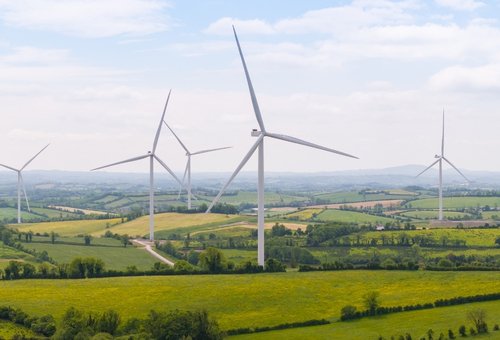
Onshore wind farms - Onshore wind farms are located on land. They are usually found at altitude in remote rural and coastal areas. They are built on concrete foundations that are hidden below the ground.
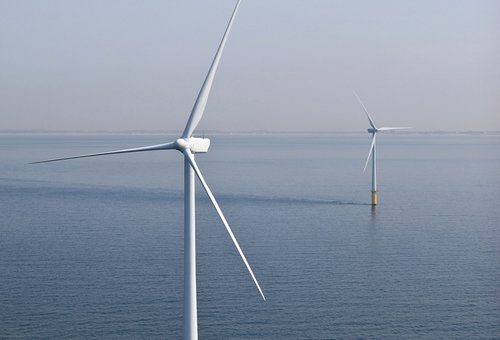
Offshore wind farms - Offshore wind farms are located at sea. They are usually found in open sea several miles from the coast. They are built on foundations that are either embedded in or anchored to the sea bed.
Here’s a quick comparison of the two:
Onshore wind farms | Offshore wind farms |
|---|---|
| Built on land, usually in rural or coastal areas where wind conditions are favourable. | Built at sea, usually several miles from the coast where wind conditions are strong. |
| Wind speeds can vary depending on terrain and weather conditions. | Wind speeds are generally stronger and more consistent at sea. |
| Cheaper and quicker to build and connect to the electricity network. | More expensive and complex to build and connect to the electricity network. |
| Turbines are usually smaller and easier to transport and install. | Turbines are usually larger and can generate more electricity. |
| Maintenance is easier because turbines can be accessed by road. | Maintenance is harder because turbines must be reached by boat. |
Advantages of Wind Energy
There are many advantages of wind power, namely it’s a sustainable, renewable and clean energy source. But there’s also the cost and community benefits of wind energy.
Renewable energy
Wind is a naturally occurring resource that is constantly replenished by atmospheric processes. Unlike fossil fuels, it cannot be depleted.
This makes wind energy a sustainable source of electricity for the long term.
Better for the environment
Wind turbines do not burn fossil fuels, so they don’t release greenhouse gases or cause air pollution.
Even when manufacturing and installation are included, wind energy produces far lower lifecycle carbon emissions than fossil fuel electricity.
Lower cost
Onshore wind is one of the most cost-effective ways to produce electricity today. Once turbines are installed, the wind itself is free, which helps keep operating costs relatively low.
Over time, this can help support a more stable and affordable electricity system.
Community benefits
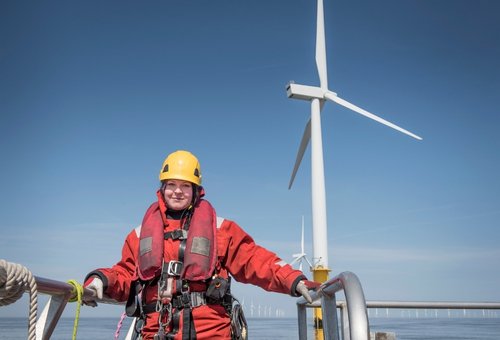
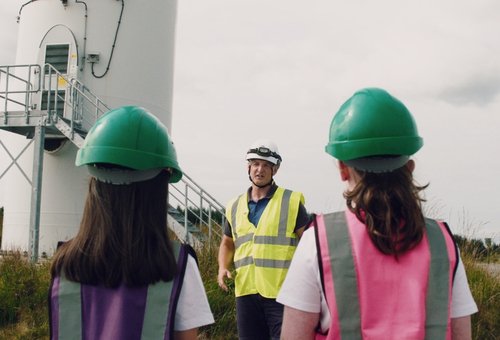
Wind farms benefit our economy, bringing local jobs in construction, operation and maintenance.
Many projects also provide community benefit funds for local initiatives. For example, supporting local sports clubs, community centres, schools and playgrounds.
Energy independence
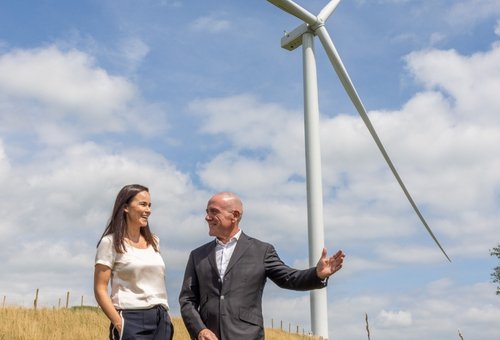
Generating electricity from wind energy reduces our on imported fuels. This makes the electricity system more resilient and less exposed to sudden price changes in global energy markets.
Renewable electricity from wind and solar helped Northern Ireland avoid £219 million in gas costs in 2025!
Fast energy payback
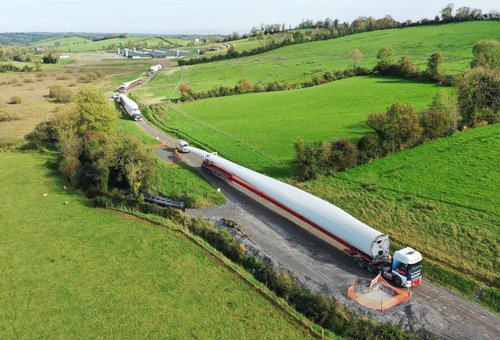
Although energy is required to manufacture and install wind turbines, they typically generate enough electricity to offset this within the first year of operation.
After that, they continue producing low-carbon electricity for the rest of their lifespan, which can be as long as 20–25 years.
Wind energy in Northern Ireland
Northern Ireland’s landscape and climate make it well suited to wind energy. With plenty of elevated rural areas and strong winds from the Atlantic, wind farms across the country already generate a significant share of the electricity we use.
In fact, renewable energy now generates around 44% of the electricity used in Northern Ireland, with wind power being the main contributor!
At the moment, all wind farms in Northern Ireland are onshore. However, plans are underway to develop offshore wind farms in the Irish Sea, with projects expected to come forward in the early 2030s as part of plans for the UK to reach net zero by 2050.
Many wind farms in Northern Ireland have been developed by Energia Group, which Power NI is part of. Examples include the Altamuskin, Eshmore & Gortfinbar, Clondermot, and Cornavarrow. Check out the Energia wind farm locations to see if any are close to you.

Want to power your home with wind energy?
With our Eco Energy tariff, the equivalent of all the electricity you use is matched with renewable generation, a large proportion of which comes from wind energy. Going green with our Eco tariff comes at no extra cost, and you could even save money compared with other tariffs.
Switch to the Eco Energy TariffFrequently asked questions
-
Are there different types of wind turbines?
There are two main types of wind turbines in the UK. These are the more commonly seen horizontal wind turbines and newer vertical wind turbines.
Horizontal wind turbines - These are the sort of wind turbines that immediately come to mind when you think of a wind turbine. They usually have three blades sitting at the top of a tall tower. The first forerunners of modern horizontal wind turbines were used in Yalta, in the former USSR, in the 1930s.
Vertical wind turbines - Vertical wind turbines come in various designs, including the eggbeater-shaped Darrieus wind turbine, named after the man who patented its design in France in 1927. Although not as common, they are becoming more popular — not least because the multidirectional design can harness the power of the wind from all directions. -
How much energy does a wind turbine produce?
The amount of electricity a wind turbine produces depends largely on its size and where it is installed.
A typical onshore wind turbine used in wind farms has a capacity of around 2–3 megawatts (MW) and can generate more than 6 million kilowatt-hours (kWh) of electricity per year, which is enough to power around 1,500 homes annually.
Offshore wind turbines are usually much larger and can generate significantly more electricity. Many modern offshore turbines have capacities of 8 MW or more, allowing them to produce substantially higher energy output than onshore turbines.
In contrast, small domestic wind turbines installed at homes or farms are much smaller. These typically have capacities of around 1–10 kilowatts (kW) and may generate a few thousand kilowatt-hours of electricity per year, depending on wind conditions.
The amount of electricity a wind turbine generates depends on several factors, including wind speed, turbine height, blade size and location. Wind turbines usually begin generating electricity at wind speeds of around 6–9 mph and shut down at very high wind speeds of around 55 mph to protect the equipment. -
How cost effective are wind turbines?
Commercial 3 MW turbines typically cost more than £2.5m. Return on investment will vary depending on average wind speeds, how often the turbine is operational and what percentage of the power generated is sold to the grid.
Installing a 6kW pole-mounted domestic wind turbine costs around £35,000 and could save around £800 a year on your electricity bills in Northern Ireland.
The carbon footprint of wind power is far lower than that of fossil fuels because they don’t emit carbon. Manufacturing, transporting and constructing turbines is energy-intensive. But a wind turbine will usually offset the carbon emissions created during its production within nine months of being in operation. -
Do you need planning permission for a wind turbine in Northern Ireland?
Yes, you will usually need planning permission to install a wind turbine in Northern Ireland. Applications are typically submitted to your local council’s planning department before any installation can take place.
Small domestic turbines may sometimes be considered under permitted development, but this depends on factors such as the size of the turbine, its height, and where it is installed. In many cases, planning approval is still required.
Planning authorities will consider a number of factors when reviewing an application, including:- Location and visual impact on the surrounding landscape
- Noise levels and potential impact on nearby properties
- Distance from buildings and boundaries
- Whether the site is located in a protected area, such as an Area of Outstanding Natural Beauty or near a listed building
-
What are the disadvantages of wind energy?
While wind energy has many benefits, there are also some challenges to consider. Visual impact is one of the most commonly discussed concerns, as wind turbines are large structures that can change the appearance of landscapes, particularly in rural or scenic areas.
Another consideration is noise. Wind turbines produce sound as the blades rotate and the mechanical components operate, although modern turbines are designed to minimise noise and are usually located away from homes.
Wind power also depends on wind conditions. Turbines only generate electricity when wind speeds are within a suitable range, so other energy sources are needed to help balance the electricity system when wind levels are low.
There can also be environmental considerations. Wind farms must be carefully planned to reduce potential impacts on wildlife, particularly birds and bats, and environmental assessments are usually carried out before construction.